Disability Debrief at 200
Dear Debriefers,
Somehow, this is the 200th edition of Disability Debrief.
I sent out the first newsletter just to myself, and then shared the link with colleagues. Some of you have been here since then, others are getting your first Debrief today.
It never crossed my mind that what I meant to be a side-project of sharing news might turn into an online magazine which has now published work from 28 writers and seven illustrators, between us coming from 20 countries.
To commemorate today we'll revisit the five editions most popular with readers. Whether this is your first or 199th Debrief, welcome and thank you for joining me on this adventure of exploring the world with a disability lens.
Help us make 200 more: the main challenges of an independent media project are visibility and funding. You can help by sharing this page or supporting financially.
What's in your disability diary? Enter our open call for writing with your journal entry. Deadline 20th July.
About this edition
Original writing like this is made possible by support from readers. Thanks to Daniel for a new contribution.
Peter Torres Fremlin is editor of Disability Debrief and is from the UK.
Sonaksha is an illustrator and designer from India.
Crisis in the international disability movement
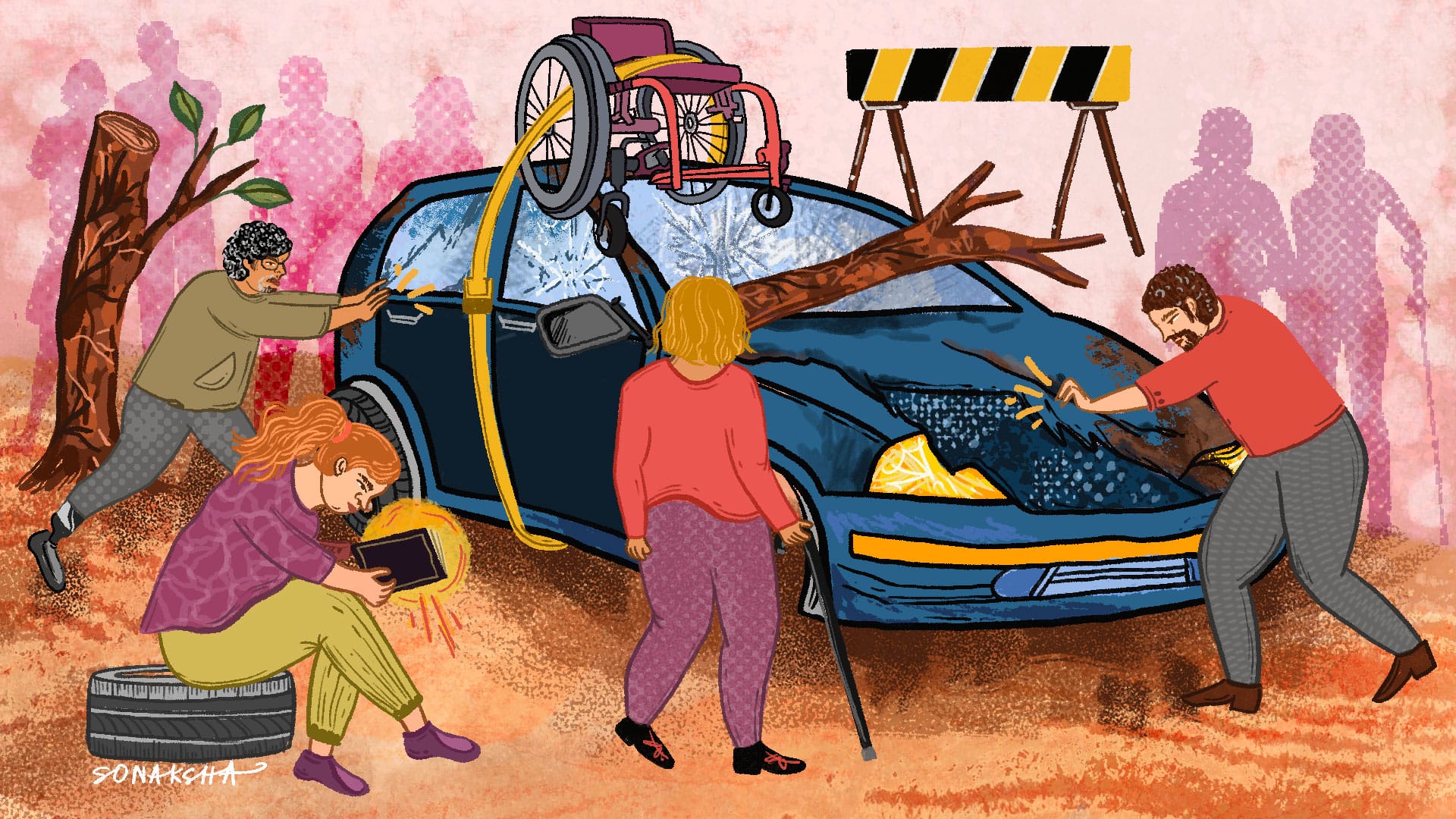
We need to talk, February 2024, and What went wrong?, September 2024.
Two of the most popular (or, at least, most-viewed) Debrief editions are from the series of investigative reporting on a corruption scandal at the International Disability Alliance (IDA). The financial mismanagement there came to light when one of IDA's funders commissioned an audit, which had damning findings.
However, the disability establishment was staying silent on what had happened. And to this day the Debrief pieces are the only venue where the audit's findings were fully revealed, and those involved gave public comment responding to it.
It was scary to do this reporting: others weren't speaking out; the audit itself described how those who did say something were met with bullying and harassment; and some of the organisations funding the Debrief had close relationships with IDA.
But doing something scary is liberating. Through doing the reporting I learned the skills of interviewing and sourcing that pieces like this involve. I'm proud that readers learned not just what went wrong in this case, but also lessons for running other organisations.
And publishing the truth in this case puts the Debrief in the position it can speak truth to power in the future.
An invitation to disability and climate change
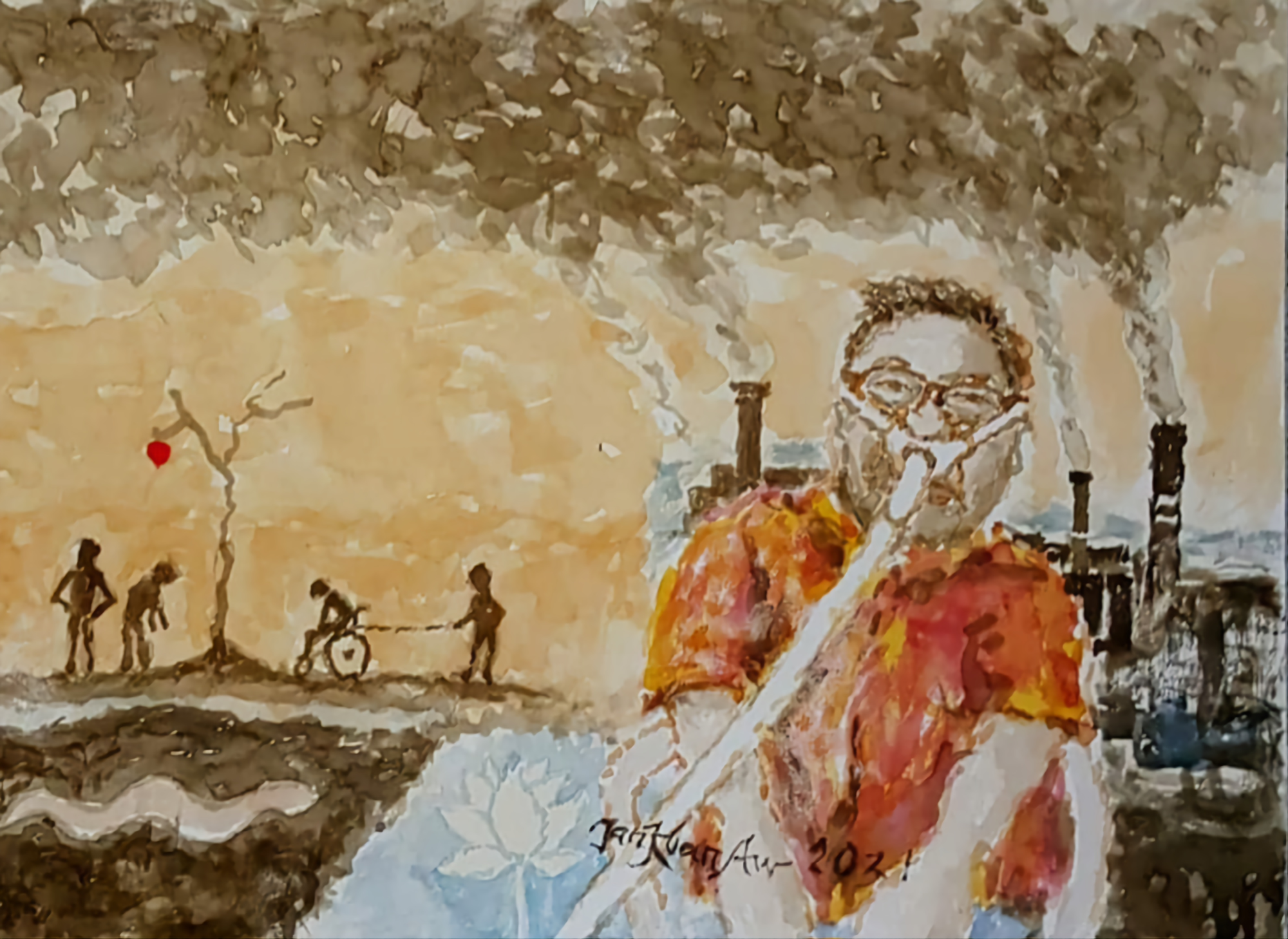
Where disability and climate meet, by Áine Kelly-Costello. April 2023.
A few years ago the connections between disability and the climate crisis were less covered than they are today. Áine Kelly-Costello started exploring the connections on the Debrief, and CBM Global gave us support for a series to go deeper.
I'd come from a consultancy background and proposed to Áine a schematic approach: here are four overall categories, and we can write to fill them out. Áine pushed back and proposed a more nuanced view on the way the subjects are intertwined from their very causes.
We soon found that going deeper into a subject also took more time, especially when factors relating to our own disabilities came into play. Writing creatively needs its own space, and working through a crip time approach needs to have a very different structure of deadlines (and, indeed, funding arrangements).
This gave Áine's piece space to grow into something expansive and welcoming, an invitation into the challenges of these intersections. And that in turn set the structure for my other collaborations with writers, where I try to avoid deadlines as far as possible (until the week before publication).
Áine went on to create a hub of resources on climate and disability, recently featured by the European Disability Forum as a best-practice in disability-inclusive climate action. And Áine's Debrief work was a stepping-stone to them exploring the subject through a podcast and then subsequent academic research.
Professionalism vs activism
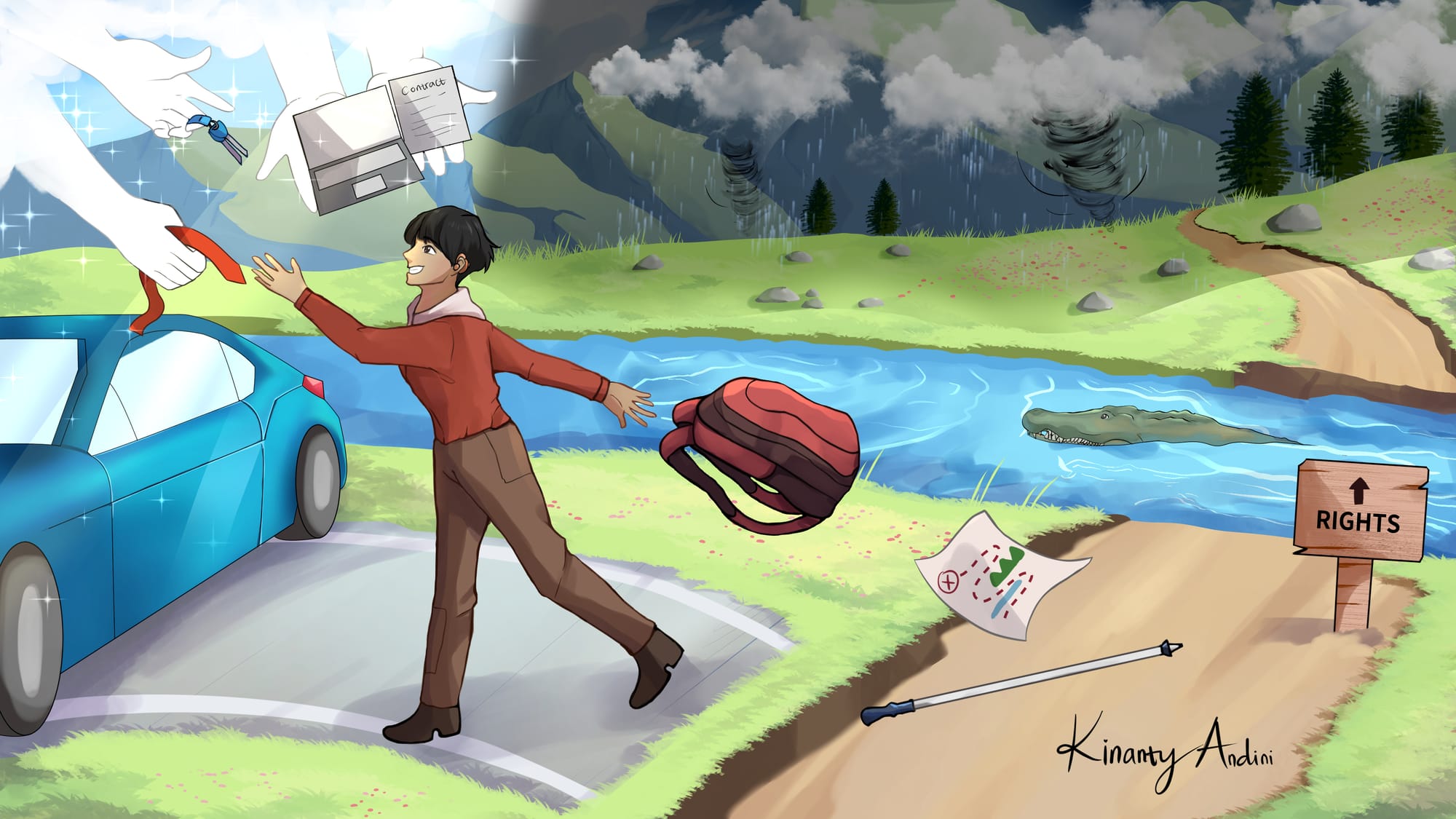
We wanted to change the world, by Alberto Vásquez Encalada. June 2025.
I first met Alberto in Geneva where we were both working on disability rights internationally. His writing on the Debrief looks directly at the foundational challenges of that sector and also the disability movement more widely.
This piece resonated widely with people working in grassroots organisation as well as those deep in the bureaucracies that have been set up to work towards disability rights. Readers found it cathartic to see a description that match how they have felt pressured, or taken off track, by the professionalisation of work for social change.
Working with Alberto is always a pleasure. We are both – how to say? – strongly opinionated. Alberto comes with an argument he wants to make in a piece, which we then tussle with to bring out its logical thread.
I then push Alberto to illustrate his points with concrete examples. (I tried, unsuccessfully, to make this piece about a visit he'd done to North Korea to look at disability rights there.) And our next question is how to share critical observations and questions in a constructive way.
Alberto's pieces reveal and question assumptions that come out of our own careers, as well as those of many colleagues and friends. And I believe they make a contribution to the disability movement's ability to reflect and grow.
16% of the world's population?
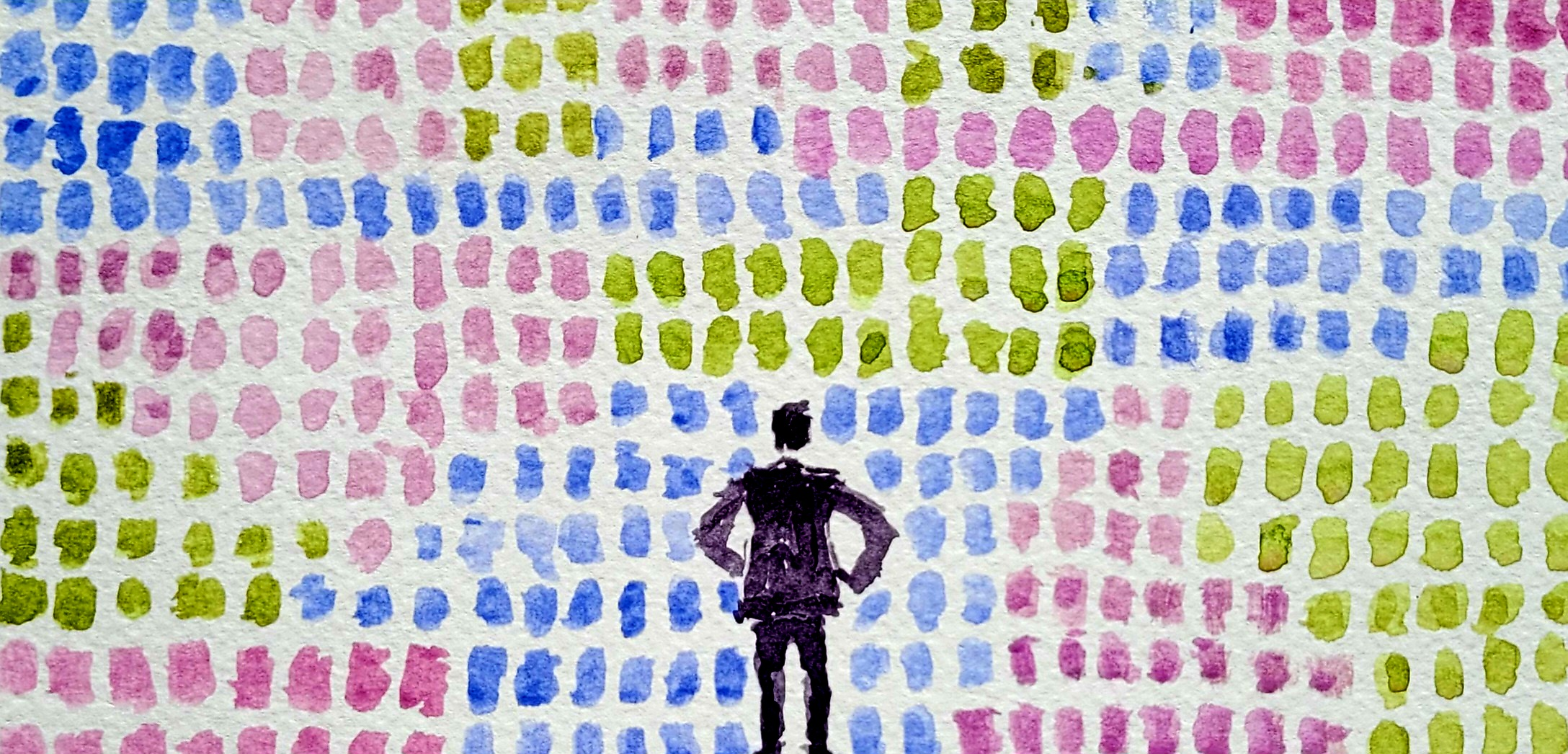
How many disabled people are there? July 2023.
We are fond of repeating that disabled people make up 15% of the world's population. This piece, a conversation with statistician Jennifer Madans, came about after the World Health Organisation updated the percentage to 16%.
Jennifer broke down where the number comes from, how we gather disability data, and what we use it for. Along the way we see some of the different meanings of disability and why it isn't as simple as a “yes” or “no” question.
As well as getting to understand where the numbers come from – and what they do, and don't mean – I think this piece reveals a key challenge of disability advocacy. We claim to speak on behalf of 15%, but the majority of those do not themselves identify as disabled people. And Jennifer gives us good reasons to question how much we should use that number in the first place.
Telling new stories
I'm proud of how the most-viewed editions of the Debrief showcase what this project can do: explore, with different writers and illustrators, the complexities of disability and the disability movement. Thanks to readers for seeking out this challenging work, and engaging with its “bite the hand that reads you” energy.
I also love that two of these pieces were illustrated by Tan Kuan Aw, who passed away last year. They are among my favourite drawings of his, the climate apocalypse self-portrait and the clever way he made the statistical issue visual. I am grateful the Debrief gave me this chance to collaborate so closely with him, and I miss him and his art.
And it's also striking to go back to Áine's writing on climate, as the UK and Europe come out of record-breaking heatwaves. Indeed, the heat slowed me down last week and, through that, changed the way I wrote this piece.
The climate change, and other transformations the world is going through continue to shape how we tell disability stories and what stories we try to tell. I look forward to working with writers and illustrators around the world to bring them to you.
Here's to 200 more. And do let me know your favourites among the Debriefs so far,
Peter
Outro
Further reading. There is a back catalogue of Debrief newsletters online, as well as a library of disability news from 170+ countries.
Let your friends know. Sharing the newsletter is how people find it!
For more from Sonaksha, see their website.
Connect. Get in touch. You can find me on Linkedin and Bluesky.
Help us do more. The Debrief is free thanks to reader support.
Acknowledgements
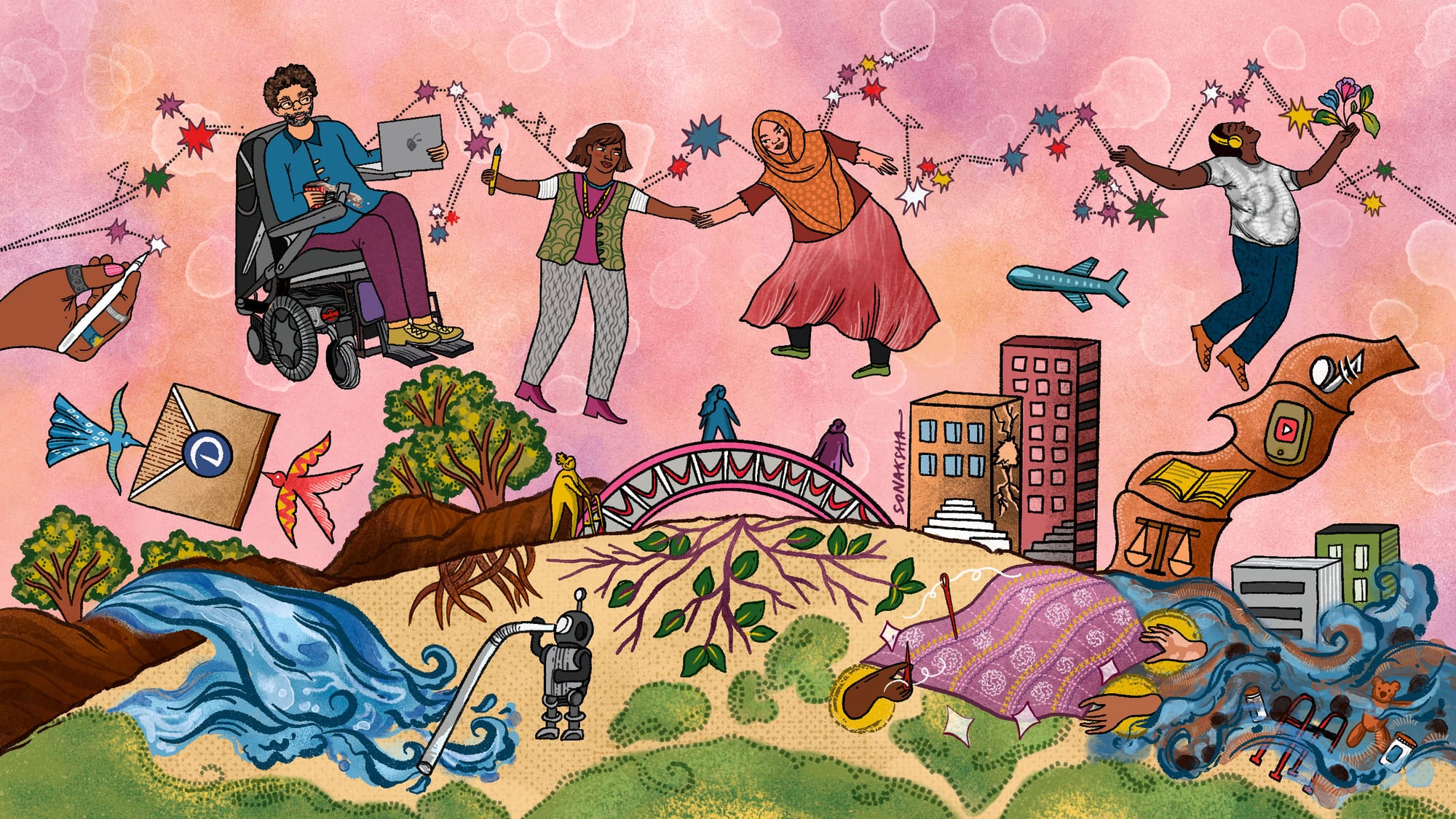
With special thanks to Sonaksha for their illustration, a magical portrait of the Debrief project. And thanks to Celestine Fraser for prompts for this piece.
Thanks also to Áine Kelly-Costello, Alberto Vásquez Encalada, Jennifer Madans, Kinanty Andini and Tan Kuan Aw for their work featured this article.
Thank you to the readers and organisations who have contributed financially over the past years, and whose support allowed this project to take-off and keeps it flying.
And thank you to the audience that showed me this could be far bigger than I first imagined.