Help us tell disabled stories
Dear Debriefers,
Growing up with Ullrich Muscular Dystrophy, I didn't realise my disability would become the most powerful tool I have to learn about the world.
As an adult my disability fuelled my travel, research and work. It connected me with grassroots organisations as well as a decade consulting with the United Nations.
It's out of that lived experience and global community that Disability Debrief was born. The Debrief now curates news from over 170 countries and commissions writing and art, stories not told elsewhere.
As the most powerful men in the world throw a wrecking ball to decades of progress on disability rights, this work has become more urgent than ever.
This edition shares how the Debrief puts a disability lens on world news and asks for your help in telling our stories in 2026.
Ways you can support
The Debrief is open access, for everyone. It is funded through a pay-what-you-can-model.
If you are able to support financially, please contribute:
- One-off support at any amount.
- Subscribing on a monthly or annual basis.
Or to help new readers find the Debrief, share this page, or help amplify on Linkedin.
The most powerful tool I have
Like many children growing up with a disability, I worked hard for it not to matter.
I would only mention my disability when I needed help up a step or to stand up from a chair. I was good at schoolwork and proud of leaning into my book smarts, entirely separate from my physical experience.
It was as an adult, language-learning in Bangladesh, that I met disability activists who welcomed me into their small association. And, I would go on to discover, a global movement.
That's how my career on disability began. And from there disability would become the basis of a vocation, many vital friendships in my life, a reason to travel widely, and a perspective from which to understand the world in a new way.
A disability lens on world news
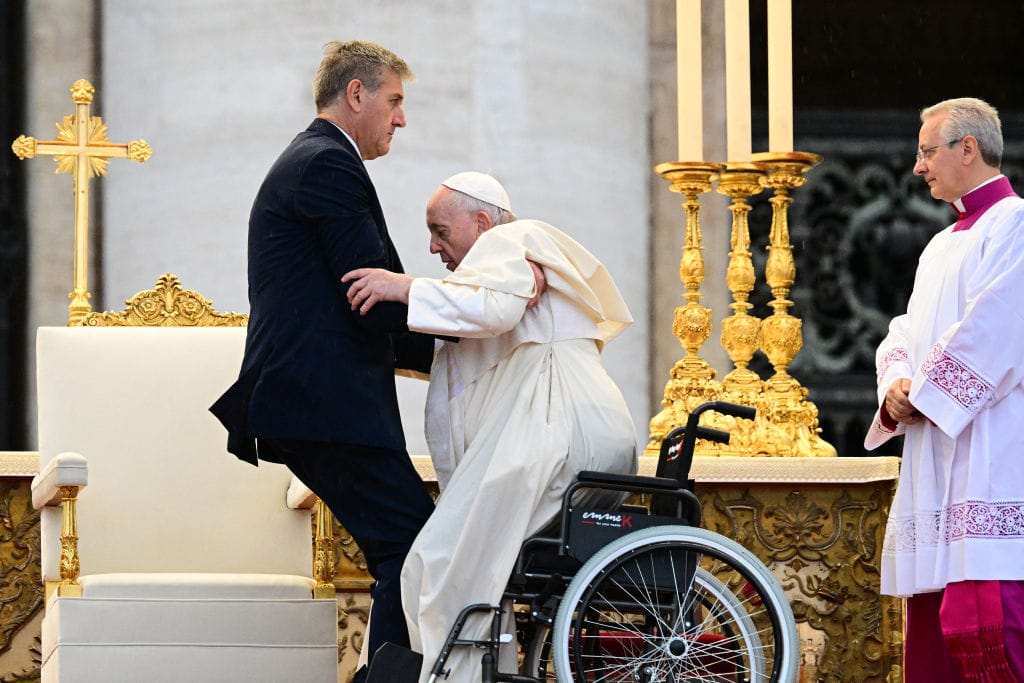
I started the Debrief as a way to keep up with how quickly things were changing for disabled people's rights around the world. From there it grew into a publication that could put a disability lens on world news and serve as a trusted reference for the global disability community.
Today the Debrief puts a disability lens on world news by sign-posting information and giving a platform for disability stories told in vivid new ways. And at the same time it provides transparency over international efforts meant to serve people with disabilities.
The Debrief library now curates almost 7,000 hand-picked links across over 170 countries, a resource unique in the breadth of information it organises. Curating this news shows me the voices that are missing, and guides my decisions as editor.
The space to tell our stories
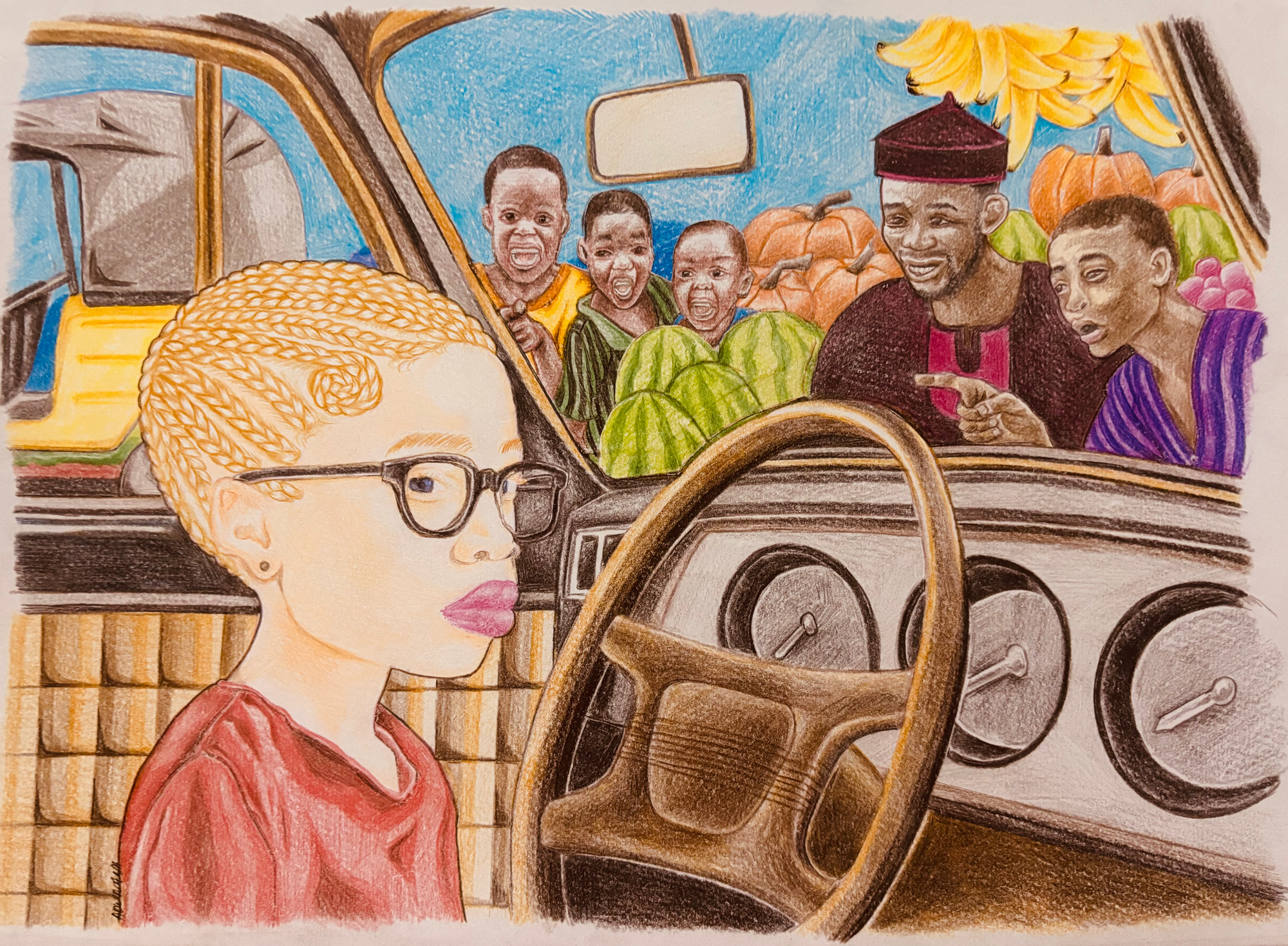
The Debrief shares a diversity of news, opinions, and life experiences. It's a platform for the under-represented voices and narratives that don't get airtime elsewhere.
Reader favourites included Alberto Vásquez Encalada writing about the risks of professionalisation to authenticity in our movement, Rachel Litchman on finding her worth while forgotten at home, and Celestine Fraser on disability and queerness and the need to go off script.
These writers were among the thirteen contributors and five artists that the Debrief published this year. These contributors came from fifteen different countries, from Brazil to Switzerland.
In working with these contributors I encourage and push them to find new ways to tell stories that haven't been told before. Authentic stories come from these multiple drafts, revisions and conversations on zoom. It doesn't happen overnight: many of these pieces took months to develop, some over a year.
Making disability visible
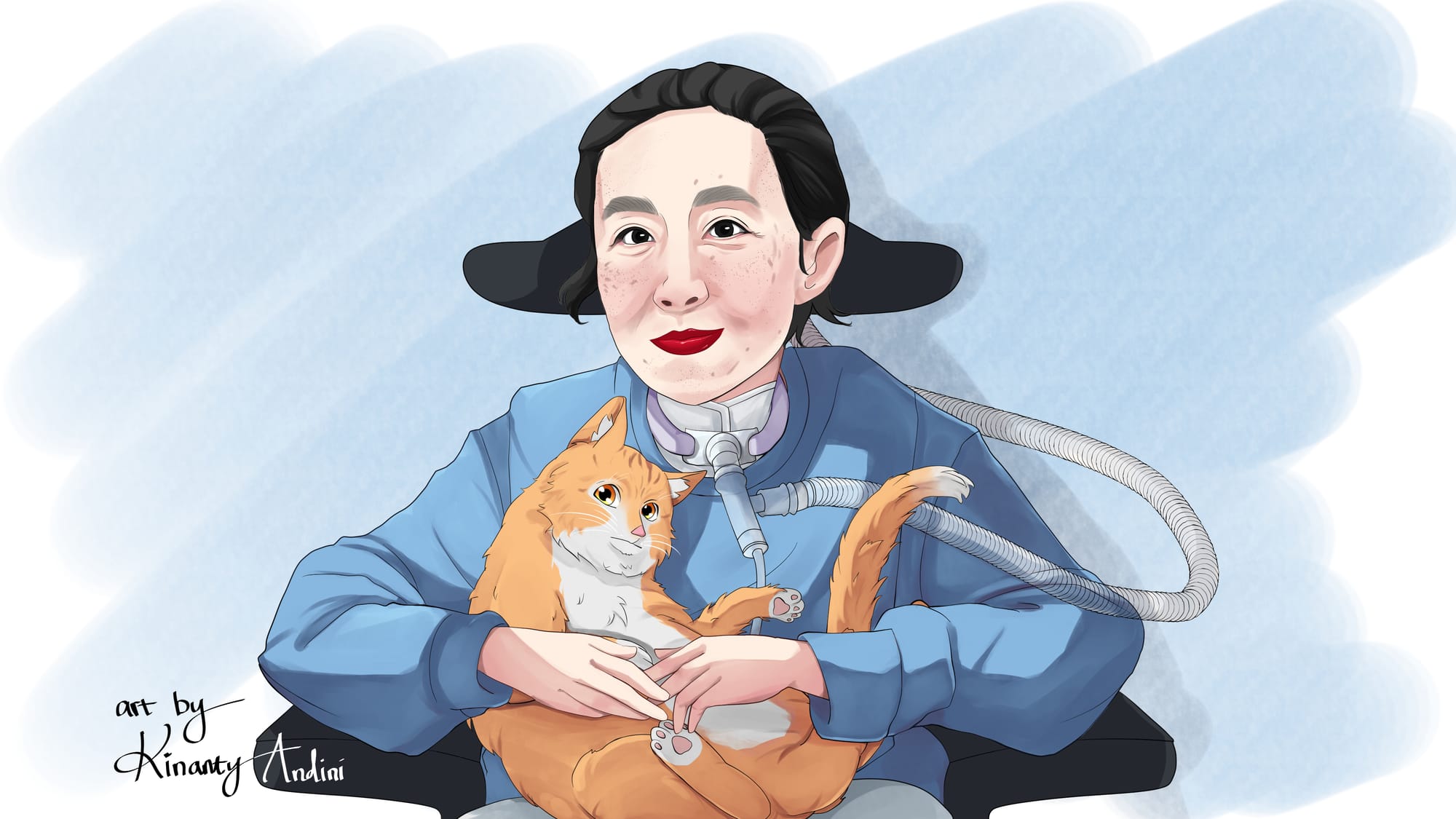
Each time I look at it, I'm moved again by this tribute that Kinanty Andini made to Alice Wong after she passed away. Kinanty was able to finish the illustration just a few days after we heard the news.
Kinanty's illustrations on the Debrief this year have been incredible, responding to all the varied prompts I've thrown at her, from conference meetings to me with my eyes closed.
As well as the work of Kinanty and the other amazing illustrators, this year the Debrief has been using press photographs to show disability in the news. Thanks in particular to Celestine Fraser who, as part of her vital work behind the scenes this year, has been selecting them.
It's always a tough balance in illustrations and selecting photographs: to show something recognisably to do with disability, but to avoid perpetuating cliches and stereotypes. One of our guiding principles is sharing the representations that you won't see elsewhere.
A platform for change
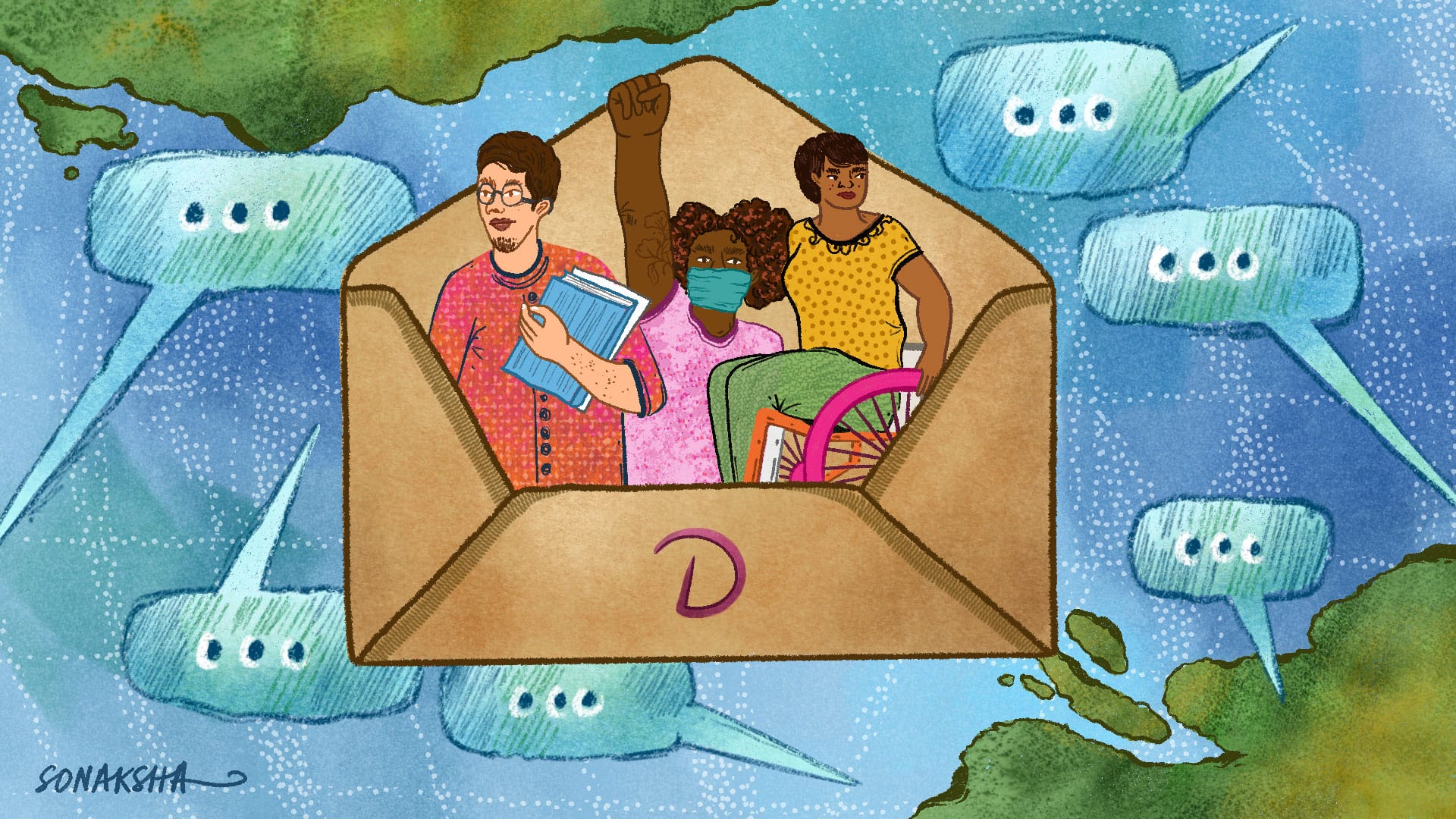
The Debrief is trusted by academics, policy-makers, and activists. And it's one of the rare places that an independent view is taken on the disability movement. I love how people use it in their professional and their personal lives to make change.
The audience continued to grow this year. There are now over 4,200 of you receiving the newsletter each week, an increase of 24% on this time last year. And in the last twelve months there were 33,600 unique visitors to the website, an 18% increase.
For much of the year I was worried about how the Debrief would do after losing its largest funder. Fortunately other organisations have come forward to support the project. The Debrief is now in a situation where we can, with your help, continue to grow.
The independence of the platform comes from diversity in sources of funding. As well as organisational grants, about 25% of the Debrief's income comes from individual readers. (See the last financial year's accounts for more details.)
I'm acutely aware that there are vanishingly few media initiatives on disability that do get the resources they need. The Debrief pays this privilege forward by subscribing to other disability media and, back in January, making two micro-grants of £500 to other creators telling disability stories in new ways.
A new role in a new world order
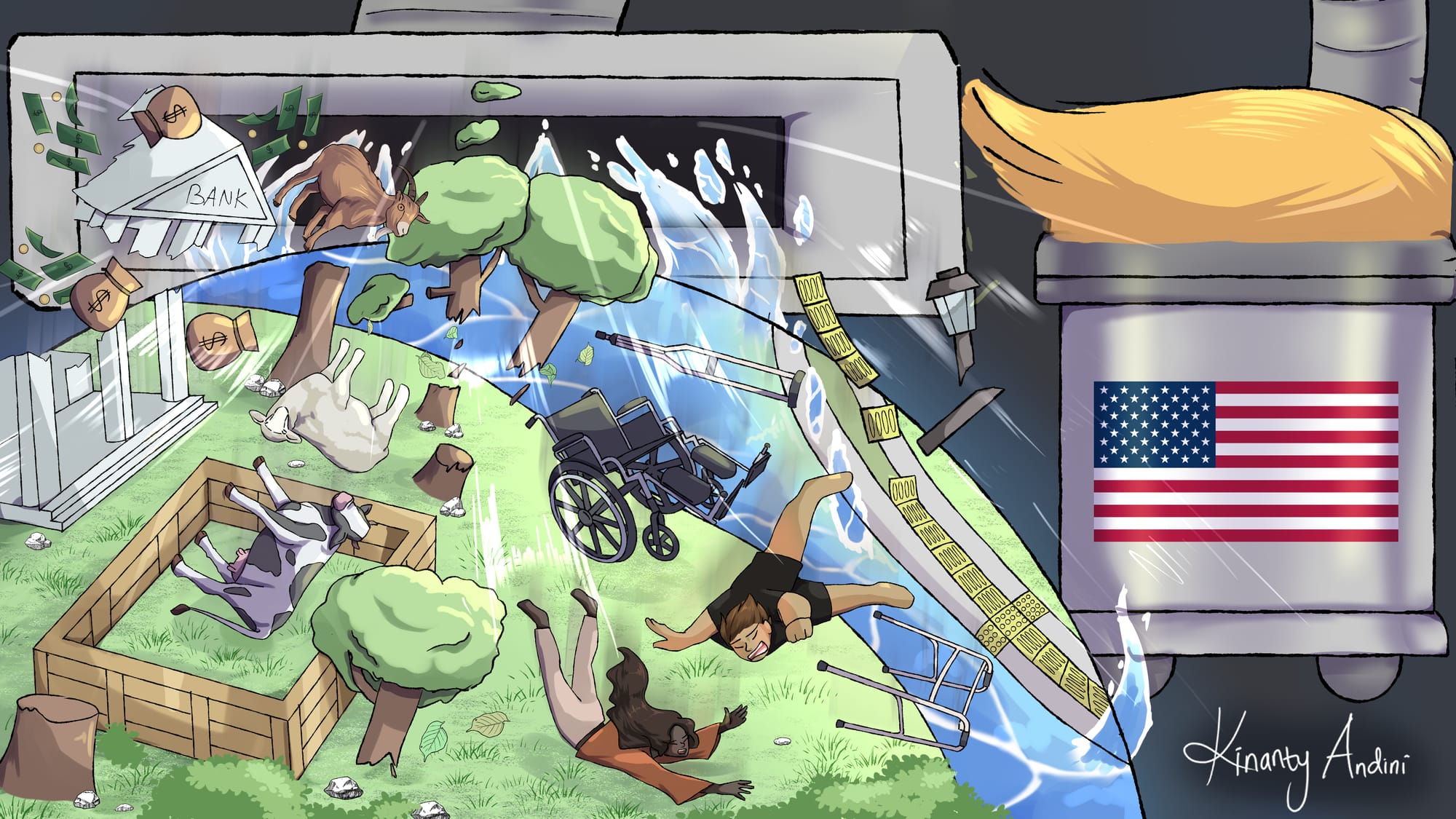
It's been a tough year to report on the news.
There's been so much cruelty and pain, in US politics, the genocide in Gaza, and how disabled people are sacrificed by the new world order. I feel caught between needing to speak on what is happening and not wanting to be just a bearer of bad news.
As disability rights face their most significant setback in decades, the Debrief has a new role. We report on the breaking news, and analyse the new challenges we face, whether in chainsaw austerity or backsliding democracy.
And perhaps most importantly, the Debrief can be part of the fabric of what keeps us connected. We need a shared reference to help us rebuild, find new ways of working, and continue the fight for disability rights.
The need to imagine a new future is one of the reasons we did our open call for writing from future where disability rights exist. There were over 70 submissions, from Peru to Kashmir. We're working on shortlisting our favourites and I can't wait to share the results with you next year.
Help us tell our disabled stories
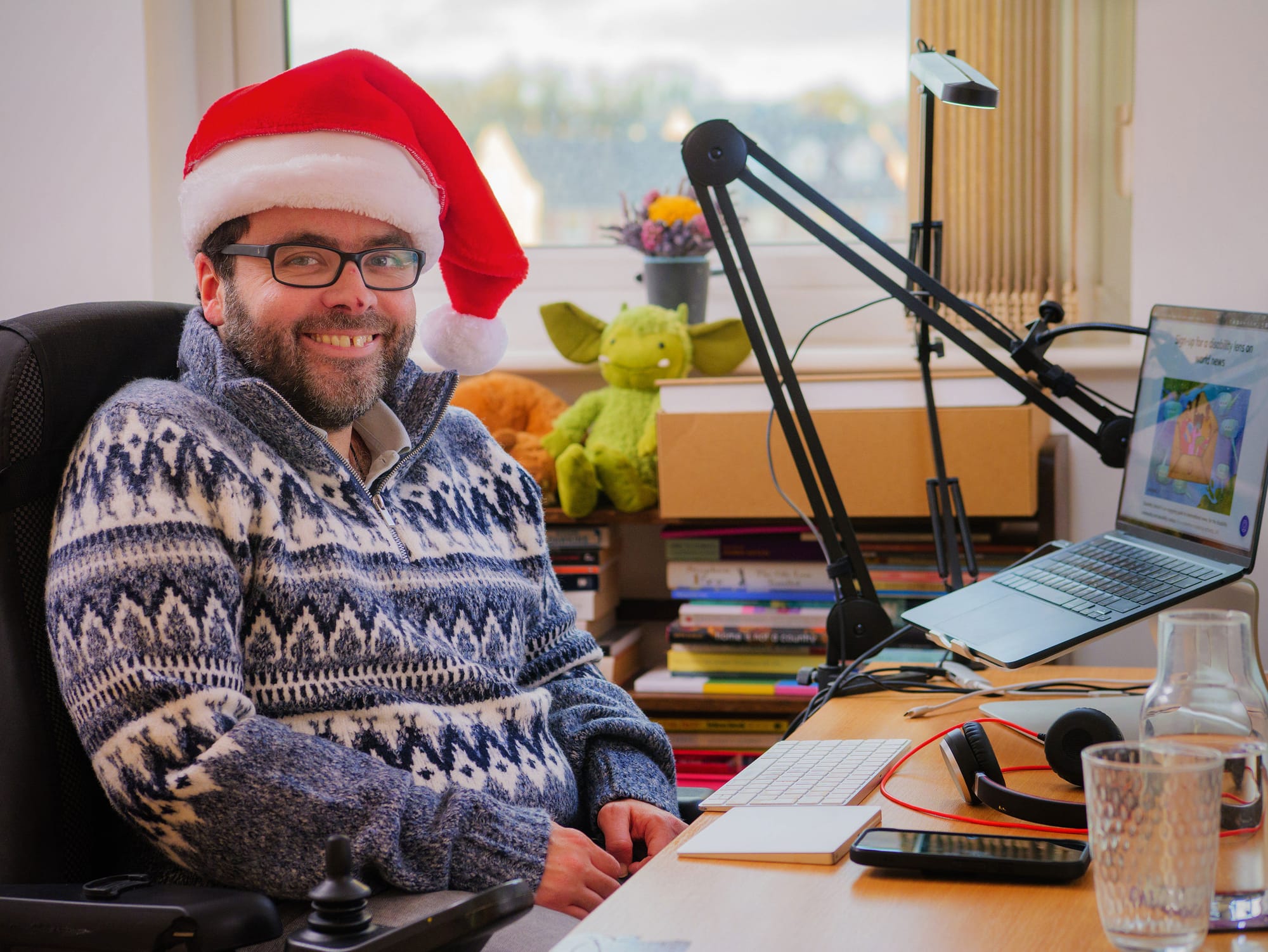
Last week as I was leaving a restaurant, my wheelchair came suddenly on a ramp and I tumbled out onto the gravel. The photo of me at the top shows the resulting cut on my nose, and the Santa hat covers scrapes on my forehead. I'm doing well, although I still feel the pain in my right arm, and my confidence is shaken.
Recuperation is a good spirit for us to take into 2026. Work on disability rights this year has taken some serious knocks. We tend to our bruises and go into next year knowing the size of the new challenges that we face.
The Debrief will be heading into its sixth year. I feel how it's grown by the messages I get each week from people pitching to write an article. And I have a series of essays I need to catch-up on editing.
There are many ways our disabilities give us a new lens on how the world is changing, and there's a lot we have to share. Help us tell our disabled stories.
With thanks,
Peter
Outro
Please join those contributing if you can:
- One-off support at any amount.
- Subscribing on a monthly or annual basis.
Connect. Get in touch. You can find me on Linkedin and Bluesky.
Acknowledgements
Thanks to Catrina and Damien Demolder for my Santa photograph. And for the other images in the piece, thanks to Vincenzo Pinto/AFP, Athenkosi Kwinana, Kinanty Andini and Sonaksha.
Thanks to Celestine Fraser for helping to shape and revise this piece, Maddie for help brainstorming, and Anne for reading a previous version.
Thanks to all the readers and supporters who have made this year the busiest the Debrief has had so far.