
Weathering the storm
Dear Debriefers,
The last year has been tough for making an independent media project on international disability rights. There are severe funding cuts on disability work, a rising backlash against diversity issues, and it's steadily harder to get attention online.
But, thanks to the support and generosity of its readers, the Debrief continued to grow. Week-in-week out we published global coverage of disability news, original stories told by disabled people in our own words, and an honest and independent view on the international disability movement.
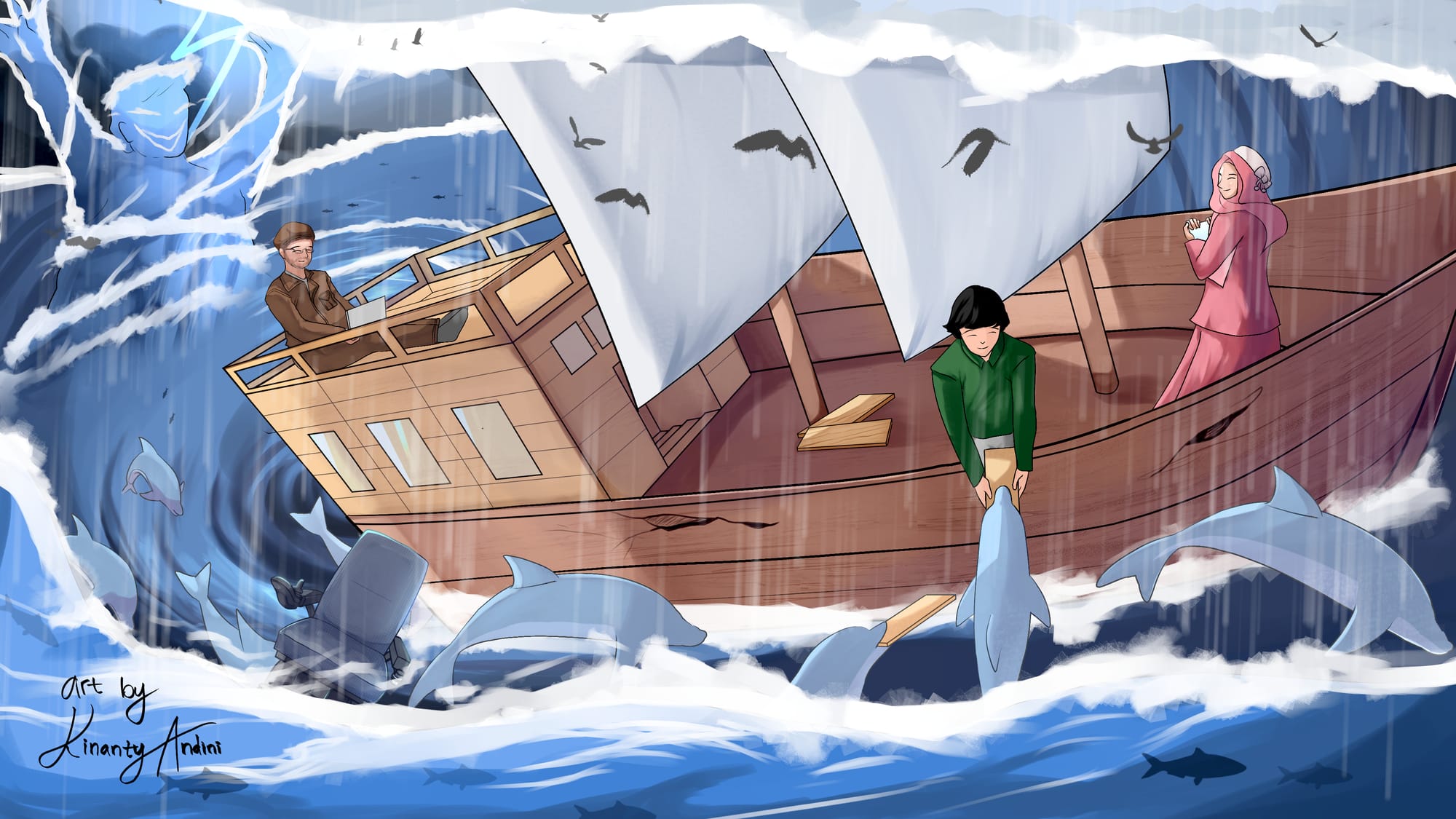
Yet the storms continue to build. I need your help to carry on this work with writers and illustrators from around the world, and to build the ship that allows us to chart our own way.
Help support the Debrief
If you can, please join those supporting Disability Debrief financially:
- One-off support of any amount.
- Subscribing, monthly at £5, £10 or £20, or annually at a discount.
You can also help by sharing this post.
To see details of how this support is used, see the annual review and the accounts for past twelve months.
About this edition
Peter Torres Fremlin is editor of Disability Debrief and is from the UK.
Kinanty Andini is an illustrator and digital artist from Indonesia.
Picking up sail
It's now over six years since I sent the first Debrief. Through that time it's steadily picked up sail, to where it's now a reference trusted by policy-makers, academics and activists.
And even though it became my full-time work a few years ago, it's still hard for me to explain to a stranger what I do. “Blogger” sounds silly. And “I make a newsletter” raises more questions than it answers.
Now I say “journalist”, which is true but is only part of the story. It doesn't get across the work that goes into making the journalism possible, or how steadily my role is more and more that of an editor, working closely with writers and illustrators from around the world.
One of the reasons that it's hard to introduce myself is because, with the challenges faced by media today, there aren't many examples of how a project like this might work. And that's especially true for journalism covering marginalised groups, stories usually over-looked by mainstream media.
The Debrief is also unusual in that it distributes its content openly, available to all and free of cost. Through the years we've found a pay-what-you-can model that makes it possible. Organisations give small grants, and readers contribute at whatever level they are comfortable to.
It's a model that goes against the currents of modern media, increasingly filled with paywalls and pop-ups. But improbably, it was working.
And then last year, Trump came into office.
Changing seas
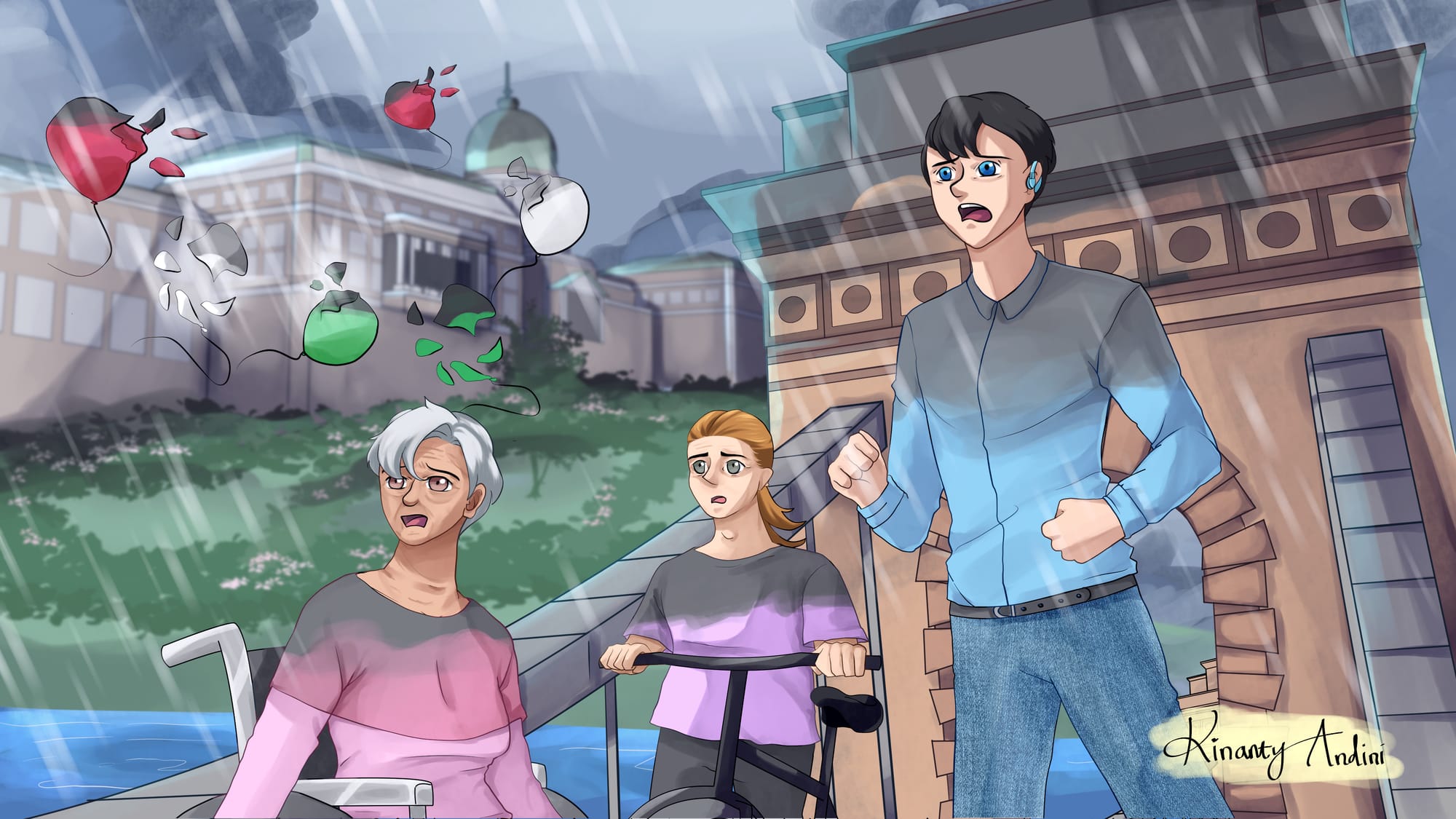
At first I didn't realise how serious the “pause” in US international aid would be. But soon it became clear the cuts were devastating. And other countries followed, cutting international cooperation and increasing spending on their militaries.
I knew these changes would impact disabled people around the world, and undermine the rights frameworks and advocacy organisations working to improve our opportunities.
This new context changed the role of the Debrief, and meant we had to work to meet the moment. That led to pieces exploring these global trends and their impact on disabled people. In Central Europe, Gabor Petri wrote on disability and backsliding democracy, and in Argentina, Eduardo Quiroga on chainsaw austerity.
At the same time I knew the disability movement needed a space to reflect honestly on where we are and think through new directions going forward. In this vein, Alberto Vásquez Encalada wrote on the threat of professionalisation to an authentic movement and I.K. Ero on need for more collective leadership.
But even as I worked with such brilliant people I didn't know how far we could go. I had started the financial year with news from Sightsavers wouldn't be continuing their support, and they'd been the single largest funder of the previous years.
Stormy weather
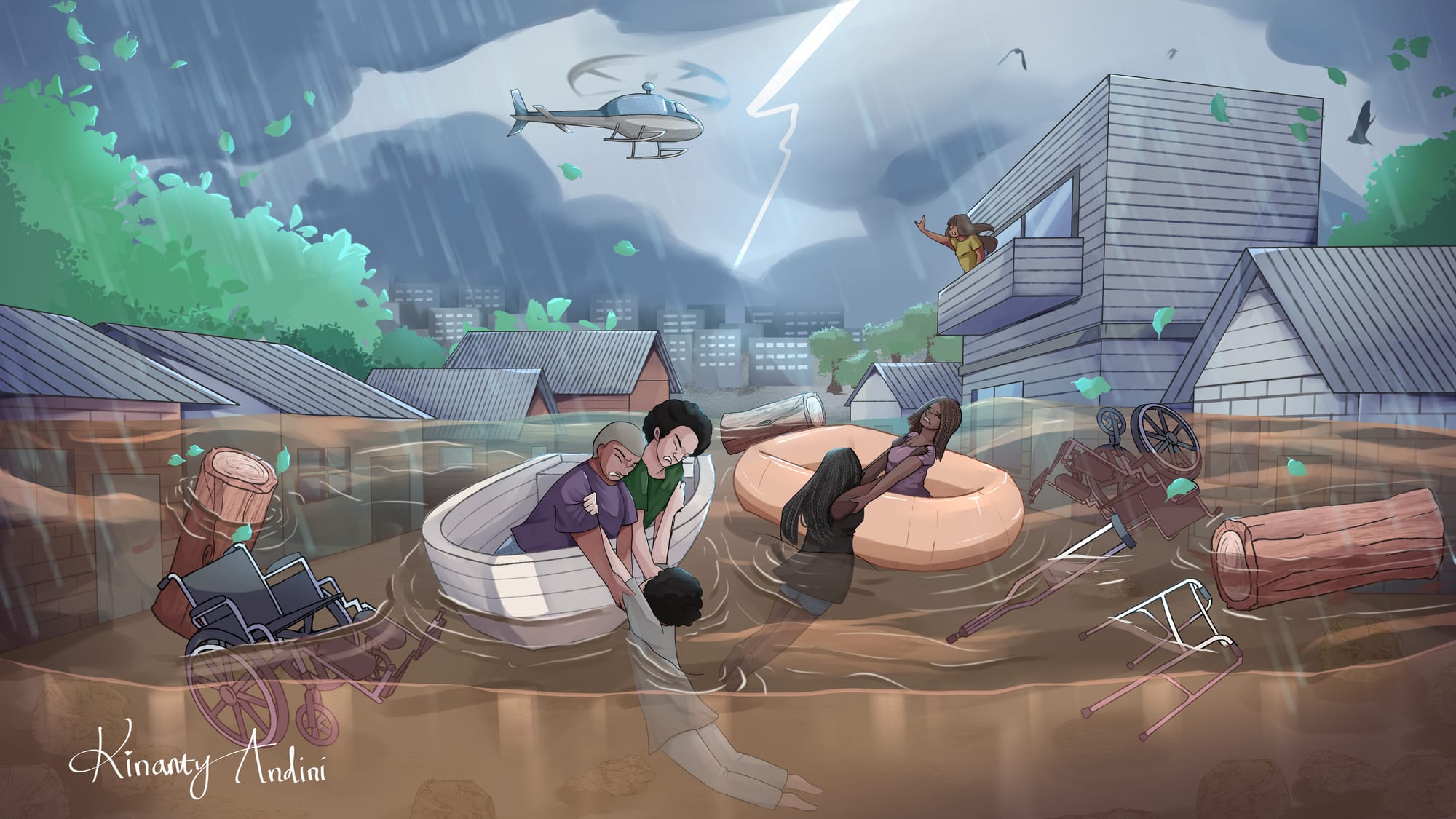
I wondered whether the Debrief had gone too far out to sea. I had struck out with an independent voice, but was there support to continue?
To deal with a the loss of the largest funder, I started contacting the Debrief network. But calls I had with organisations to ask for further support started with they themselves telling me about how they were reeling from funding cuts, and cutting voluntary costs like network membership.
I persevered, making the case for why the Debrief was important a this time. I argued that organisations working on disability need to give money to the infrastructure that connects us, especially at a time when things are falling apart.
At the same time as this bad fundraising weather, covering the news itself wasn't easy. The seas of AI slop were rising quickly. And covering the Trump administration and the genocide in Gaza became quite hard for my mental health. I wanted to bear witness but I was starting to feel quite bare.
As I looked at the Debrief budget, I wondered when I should cut back on commissioning articles, and whether I would be able to renew the invaluable support that Celestine Fraser was giving behind the scenes. Or, take the risk of further expenses? Any shortfall would come out of my own salary.
Coming through the storm
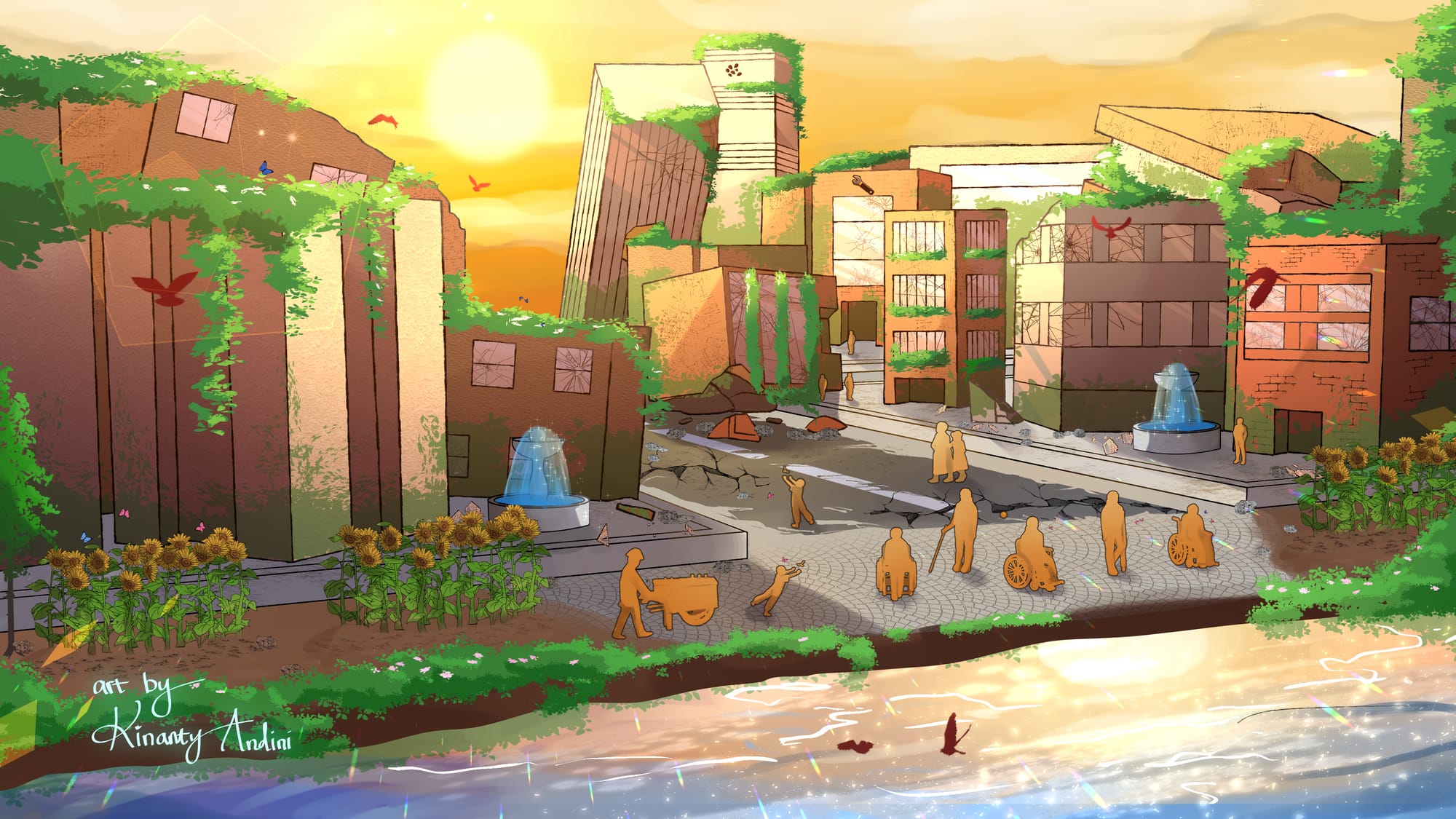
But then I started to get better news. Individual readers responded to my call for help. And organisations too, with increased support from Ford Foundation and a new grant from Robert Bosch Stiftung, among others.
I breathed a sigh of relief, and felt how much easier it is to think creatively when you're not worried about a bottom line. And, as all this support came together, it meant that the Debrief not only weathered the storm, but grew on previous years.
Here are the highlights of that growth. See the full details in the annual review and the accounts:
- The weekly newsletter is now sent to over four thousand people. Subscribers grew by 14% on the year before.
- Annual revenue rose to £106,659, a 17% increase on the year before. 10% of the audience contribute financially, as individuals or through their organisations.
- Feature articles were published by 16 writers. These writers came from 12 different countries. Plus an open call for writing which published a further 6 writers from 5 countries.
A growing set of collaborations made this work possible. Celestine gave a couple of days editorial support each month. The investment in editing, commissioning articles and illustrations came to £26,500 (25% of expenses).
And as well as our own work, Debrief continued paying-it-forward to other disability media. A total of £1,943, (2% of expenses) was paid to other creators through micro-grants and subscriptions. Please join me in supporting disability creators more widely, not just this project!
Navigating strong winds
The Debrief came through the storm of the last twelve months, but the waters are still rough. We continue to sail against ever-stronger global winds that push back against human rights, villainise disabled people, and sweep away independent media.
This context just makes it more urgent for us to have a space to tell our own stories in our own words. Through the years the Debrief has grown as a platform that publishes disability stories told in new ways. That comes out of intense work behind-the-scenes, where we draft and redraft our stories.
It leads to unique pieces that wouldn't find anywhere else. For example, Nyuki Msimulizi's personal revelations from special education in Tanzania. Or, from Trinidad and Tobago, Tharā Gabriel's piece, co-written with her tinnitus, on searching for silence.
Several writers have told me how being part of the Debrief opens new connections. Among them, Ida Putri tells me how writing about her grassroots organisation in Indonesia led to international recognition from the Zero Project. And, that when she went to share her work with the Australian government, one official already knew the name of her wheelchair from her article on assistive technology.
Last year 16 of the newsletters (36%) were written by contributors like Ida. I'm aiming to increase this to 50% of the newsletters. And the growth in the Debrief revenue means I've been able to raise the starting fee for a published article from £450 to £500.
New horizons
The Debrief project continues to grow, and our journey continues. The ship has a more solid base of funding than it did twelve months ago. But, as ever, what we can achieve in the next year depends on your support.
Making this project has shown me that we do not have to give into the forces that make our media ever more bite-sized, hate-fuelled, and right-leaning. If we want a space that does something differently, we can make it ourselves.
You can support the Debrief by continuing to read it, share it with friends, and contributing financially if it's comfortable to do so.
With thanks, and the hope that this improbable voyage takes us further in the years to come,
Peter
Outro
See more on supporting the Debrief. And for a summary of what we did with the support in the past year, read the annual review and the accounts.
Let your friends know. Sharing the newsletter is how people find it!
For more from Kinanty, see her website.
Connect. Get in touch. You can find me on Linkedin and Bluesky.
Acknowledgements
This email was composed with the dancing of Zsolt Hegedűs, the new Hungarian health minister, on repeat in the background.
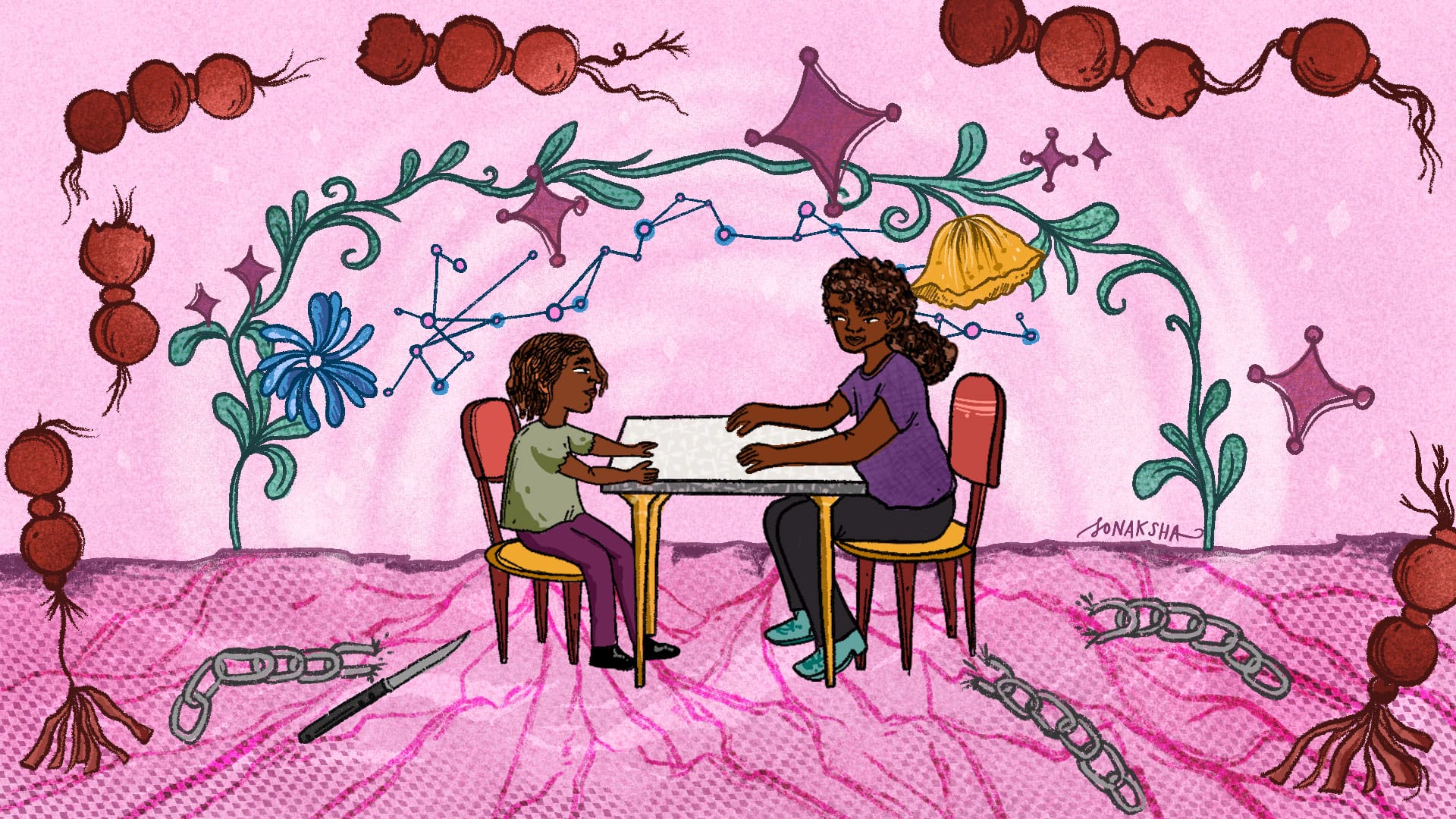
Thanks to Kinanty Andini for the illustration for this edition, and her previous work that also illustrates the piece. Also to Sonaksha for the illustration at the table.
Thanks to Áine Kelly-Costello for review of a previous draft.
Thanks to Center for Inclusive Policy whose fiscal sponsorship and support in the US has been a big part of what allows the Debrief to grow.
And of course to you readers, for the time you give this work, and for the contributions that make it possible.