
Together as a collective force

Dear Debriefers,
This edition opens the Debrief mailbag.
Responses to the reader survey show the profile of Debrief readers along with congratulations and concerns.
And in reactions to recent editions, there's rehab gone wrong, anti-authoritarianism, and reacting to being an outsider...
About this edition
Disability Debrief holds a space for community thanks to support from readers. Thanks to Andrew, Maria and Zora for new contributions.
Peter Torres Fremlin is editor of Disability Debrief and is from the UK.
Kinanty Andini is an illustrator and digital artist from Indonesia.
Together as a collective force
With thanks to the Debriefers that filled out the reader survey. I appreciate your kind words about my and contributors work, and hearing how the Debrief plays a role in your personal and professional lives.
Readers appreciated the variety of stories and geographies, how it “broadens perspectives on disability topics”, and that they “never know what to expect”. While some found the content discouraging, many responded to share the hope they took from the Debrief. For example, Aayushee appreciates:
“Stories from far-flung corners of the world binding us together as a collective force, stories that breathe hope, determination and above all vulnerability ushering into a progressive era for persons with disabilities as a whole.“
Profile of Debrief readers
The survey this year had 40 respondents, which is a bit less than 1% of those that get the Debrief each week. Of the respondents:
68% said they were disabled people, 15% don't, and 10% say it's complicated. This is an increase from the survey I did in 2024, where 49% identified as disabled.
43% do work or study very related to disability, 28% sometimes related. (Similar levels to 2024).
56% are women, 21% men, 12% non-binary. The remainder (11%) had other gender identities or preferred not to respond.
Relevant stories to tell
Most respondents found the Debrief's strength to be its wide variety of topics and perspectives. However, some felt that stories about individuals are too specific. Art Blaser, for example, shared a concern about “personal stories that ignore global inequity”.
As Editor, I push writers to share themselves in their writing. First, personal stories and perspectives have a power to move us. Second, disability is a profoundly individual experience and, for me, our experiences shed light on global inequities. This is how the Debrief puts a disability lens on world news: grounding the news in our lived experiences.
One reader asked what is the guiding purpose of the Debrief. This has evolved quite a bit since the project started in 2020 as a monthly curation of resources for colleagues working on disability policy. Today it is more ambitious: to tell disability stories in new ways, by combining lived experience, research, and original reporting. And, at the same time, to be a platform for us to learn and do this more creatively, with even more diverse voices.
Respondents encouraged the Debrief to keep stretching its range. Alongside topics like artificial intelligence, readers suggested future coverage could bring out more Black stories, gender-related intersections and others. Alexander asked how the Debrief can share the stories of those “who have relevant stories to tell but are themselves unable to write?”
The Debrief behind-the-scenes
One reader asked if the Debrief publishes more men than women. Most Debrief articles are written by me, a man. But of all the writers, 60% are women, 28% men, 12% non-binary or other gender.
Laurel asked if I compile the Debrief myself or if there's a team. I work full-time on the Debrief but I steadily count on a wider range of collaborations. This edition alone has behind-the-scenes support from Celestine Fraser, illustration from Kinanty Andini, quotes from fifteen readers and feedback from many more. (Not to mention the other writers and artists previously featured.)
Most respondents (60%) felt the Debrief length was “just right”. A further 25% found it long, but could navigate it. I hope the introduction and sectioning help with this, and please don't feel obliged to read all of every edition!
However, a minority (10%) does find the Debrief too long. And one reader commented:
“Length of text can feel overwhelming to navigate especially to someone with a learning disability - would appreciate exploring more page breaks or dynamic accessible formats.”
Last year I did a trial-run of what it would look like to have Easy Read editions to offer a more accessible version for people with learning disabilities. Unfortunately it turned out to need more time resources than initially thought, so I paused the trial for now. In the meantime I would appreciate any suggestions for dynamic accessible formats.
And going now to responses to specific Debrief articles...
Rehabilitation gone wrong
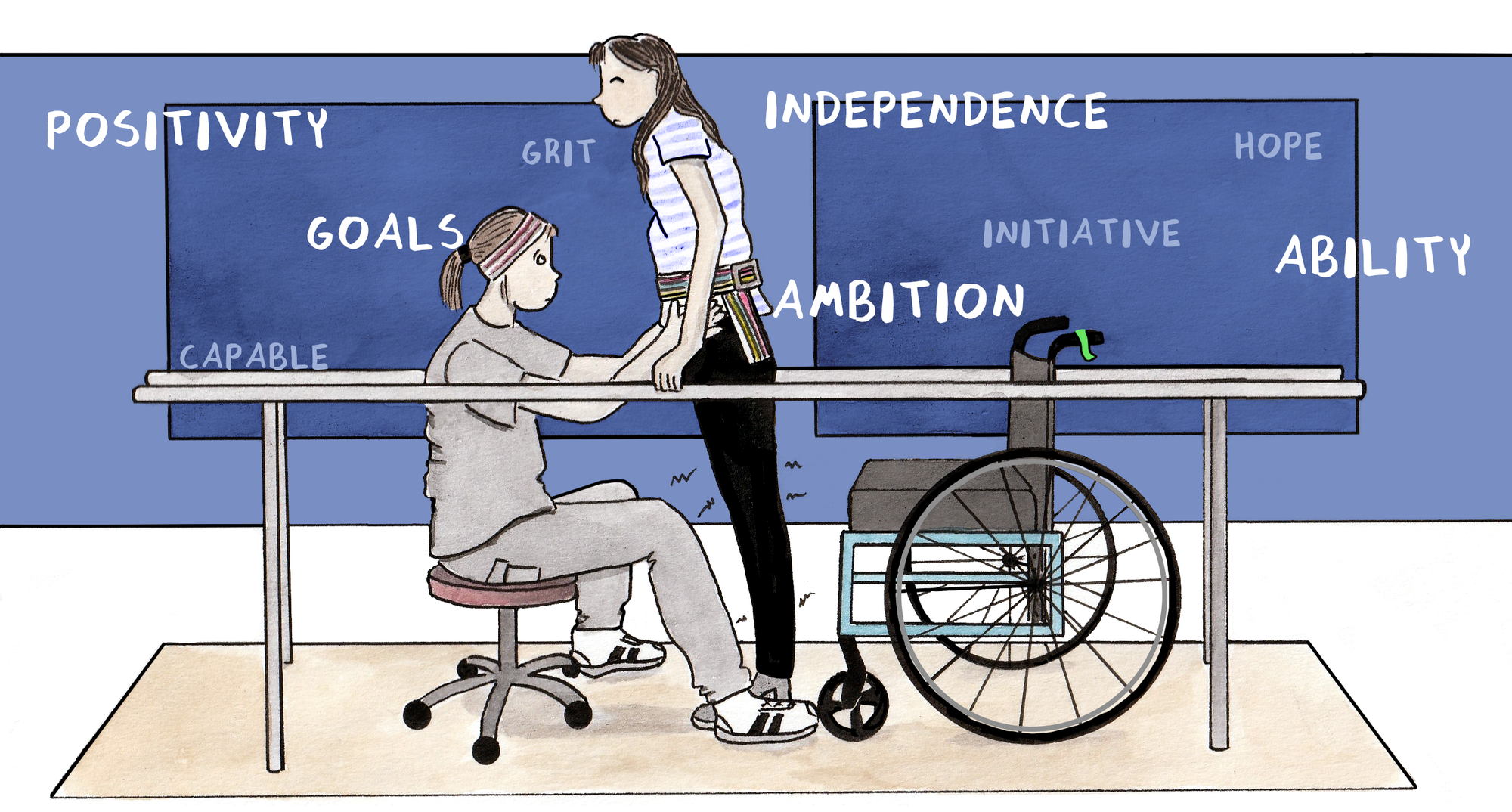
Rachel Litchman shared how for-profit rehabilitation left her more disabled than when she arrived.
In Disability Thinking Weekly, Andrew Pulrang reflected on what goes wrong with rehabilitation:
“This is an exceptionally well-written account of rehabilitation gone wrong. Or, is it really rehab as designed that is inherently, fundamentally wrong?
“That's the question that keeps coming up for me every time I read horror stories of any kind of institutional care or program – like the Oklahoma nursing facility story linked in last Thursday's newsletter.
“In this Disability Debrief story, I can see evidence of both built-in, systemic ableism and more or less individual stupidity. I also see way too much reliance on a single orientation or attitude towards rehabilitation. There seems to be no recognition that different injuries and disabilities call for different goals and approaches.
“And different personalities call for different attitudes and philosophies, too. Some people respond well to written goals and rah-rah positivity. They really do! But some people just aren't wired that way. They, (or rather we), need a little more gallows humor, more gentle empathy, and maybe more limited goals, at least in the short term.
“Rehabilitation can still serve a genuinely useful purpose for disabled people. But it seems like all too often it's run by people who are woefully under-prepared, and with too many other priorities that have little or nothing to do with what disabled people actually need.”
Inherently anti-authoritarian
Gabor Petri's essay showed how democratic backsliding erodes disability rights.
Teodor Mladenov shared how the same issues affect independent living movements in particular:
“The Independent Living movement - as part of the broader disability rights movement - is strongly affected by illiberalism. Obviously, when 'democratic backsliding' discredits human rights, this directly harms Independent Living advocacy, which foregrounds and relies on the human rights approach to disability and the Convention on the Rights of Persons with Disabilities (particularly Articles 12 and 19).
“Moreover, Independent Living represents one of the most critical and direct-action-oriented parts of disability activism - and, as Gabor points out in his Disability Debrief article and academic research, being critical and protesting are suppressed under illiberal regimes.
“And on the practical level, Independent Living organisations suffer from funding cuts, themselves justified by ableist victim-blaming, anti-DEI and anti-NGO campaigns. Ultimately, Independent Living is about freedom, self-direction, and having a voice - so, it is inherently anti-authoritarian.”
Deafness with such loud terror
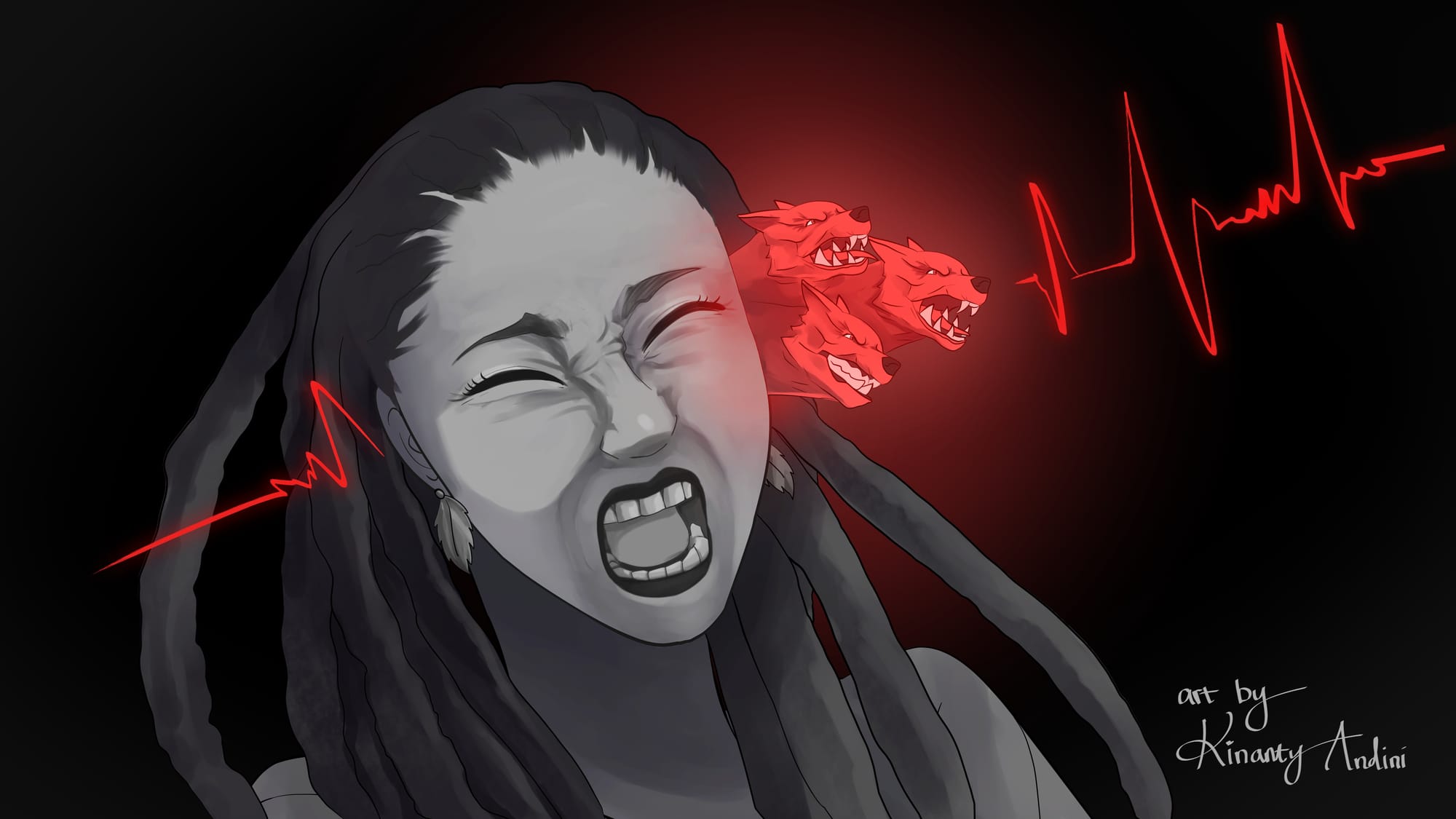
Tharā Gabriel shared her journey with unrelenting tinnitus. That brought responses from many readers sharing their own trials with tinnitus, including Michelle Regier:
“I'm a musician and highly sensitive person with tinnitis and partial hearing loss. This is the first time I've seen those sensations explained in such a powerful way. Amazing writing by Tharā Gabriel.”
And the article gave Alexander Ogheneruemu a new view on deafness:
“So it isn't all about silence! This one presents deafness with such loud terror as I never imagined... I'm left asking if deaf is the right term for it.
“Sending strength to everyone out there struggling with one kudrrrrrrrrrculeloooo or the other.”
Years at the restaurant
Alex Ogheneruemu wrote about his own journey and the Deaf community in Nigeria. He shared how in years of isolation, reading gave inspiration for the future. Mario commented:
“An eye-opening read. It frustrates me that even in the world of Deaf communities things like corruption are still so pervasive.
“Thank you for sharing your story Alex. I’d also be interested to know what works of literature you found inspiring and influential?”
Alex responds to describe his reading:
“For me self-helps, memoirs, biographies or rising above obstacles to succeed provided inspirational fire/drive. They were my stay during those years at the restaurant.”
Contrary to convention
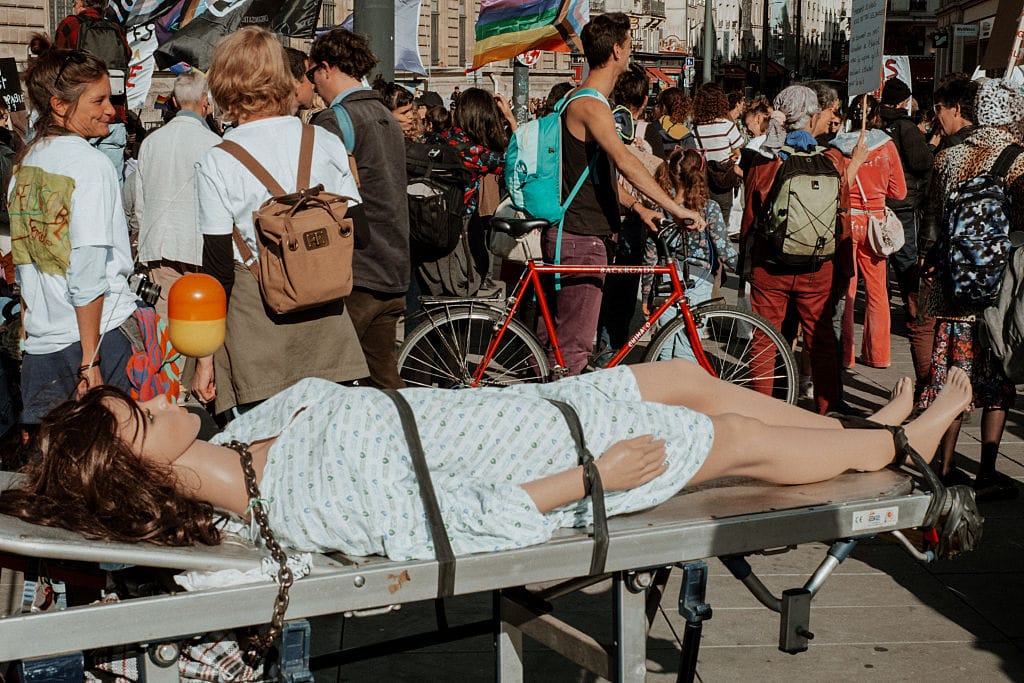
I shared news of Mad Pride protests in France. Fabien didn't understand what was meant by “mad”, as it can encompass many things.
Here's a definition of mad identity from Madness Network News:
‘Mad: A term historically used to oppress people who experience emotional distress and non-normative or non-conventional states of being. Mad has been reclaimed as a socio-political identity for people who experience emotional distress and/or who have been labeled as “mentally ill” or as having “mental health issues.” A mad individual is a person whose identity and selfhood are contrary to convention, subverting, defying, disrupting, and liberating oneself from what is considered “sane.” To be mad is to take pride in the mental states that have been deemed criminal and deficit.’
Part of the global voice
I wrote about how the United Nations hasn't done enough on disability.
Bosswell Mboozi of the Chikankata Ngangula Disabled Farmers Association in Zambia asked who was getting left out:
“To what extent has the voice of a rural disabled person been brought on board to be part of the global voice? It's crystal that many NGOs working in rural areas have no disability tailored programme. As such rural disabled people remain invisible and continue to suffer generational poverty and exclusion from the development agenda.”
“Grounded in shared leadership”
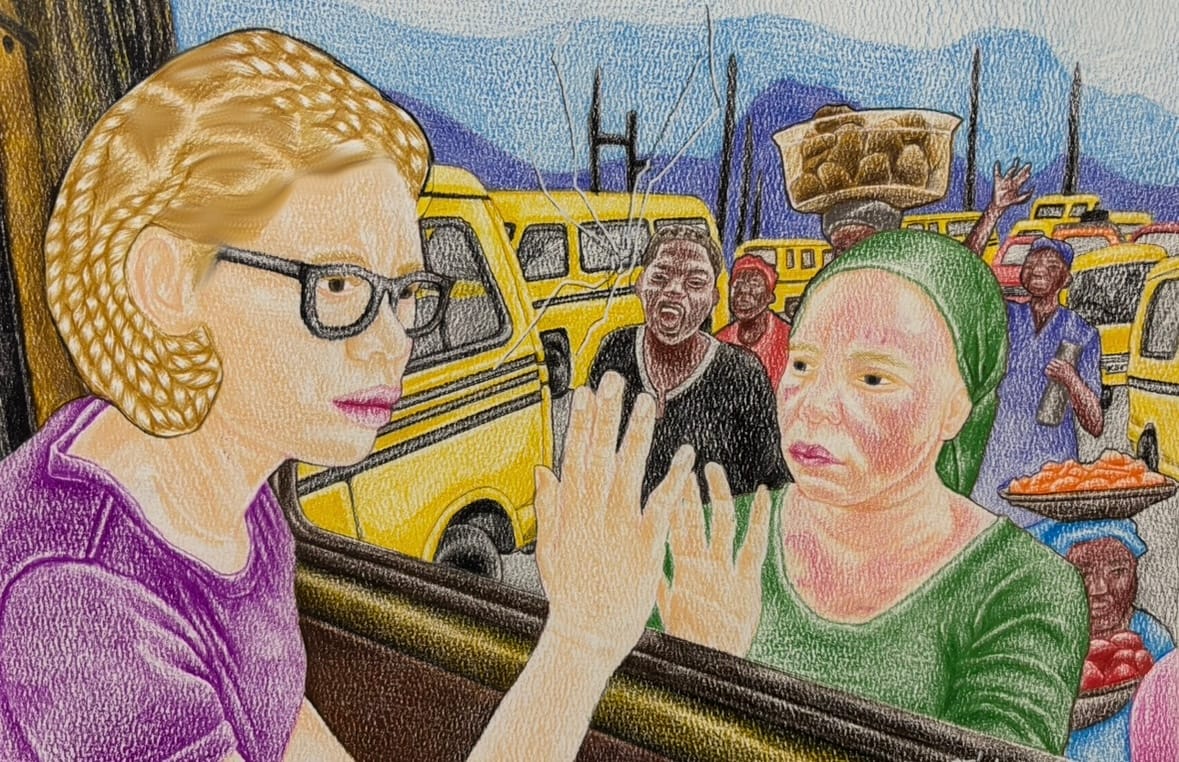
“I.K.” Ero questioned leadership styles after leaving the advocacy frontlines. Bailey Grey picked up on previous discussions of community organising to reflect on the type of leadership that is needed:
“Yet more evidence that a genuine community organising approach is what is needed - grounded in shared leadership, relationship building, and leadership approaches that empower members of the community and transform the power dynamics. The collaborative (or feminist) model is relational & constructive, where power is seen as expanding and limitless and has a structure that empowers, supports, and cares for all. [...] I think the answer lies in building capacity on the right model. We also need to integrate this into the support network of OPDs (INGOs, networks, donors, etc). Thanks for sharing this piece & for facilitating discourse on this tricky topic.”
And Katri Bertam summarises one of the questions of the article raises:
“Why do so many leaders, when gaining and then trying to stay in power, take on a “King-of-the-Hill” (or “Queen-of-the-Hill”) leadership style? In short: go on a lonely ego crusade that leaves behind staff and partnerships - and most often impact. I love this article so much.”
Reacting to being an outsider
Mario Georgiou wrote about falling for Budapest, sharing how he moved country with a progressive disability and found a new attitude to risk. Father Fremlin asked if this echoed my own experience of travel and over a decade living outside of the UK.
Growing up in the UK I often felt myself an outsider: partly because of my disability, but also my personality too. Travelling and language-learning let me explore not-belonging creatively and gain a freedom to ask questions and connect in new ways. The results were similar to those in Mario's life: my disability experience contributed to me changing my life's blueprint.
When I met people in Egypt or Bangladesh they would often attribute my strange behaviour to me being British. In my head I thought, “you should see what British people think of me”.
Without sinking into the morass
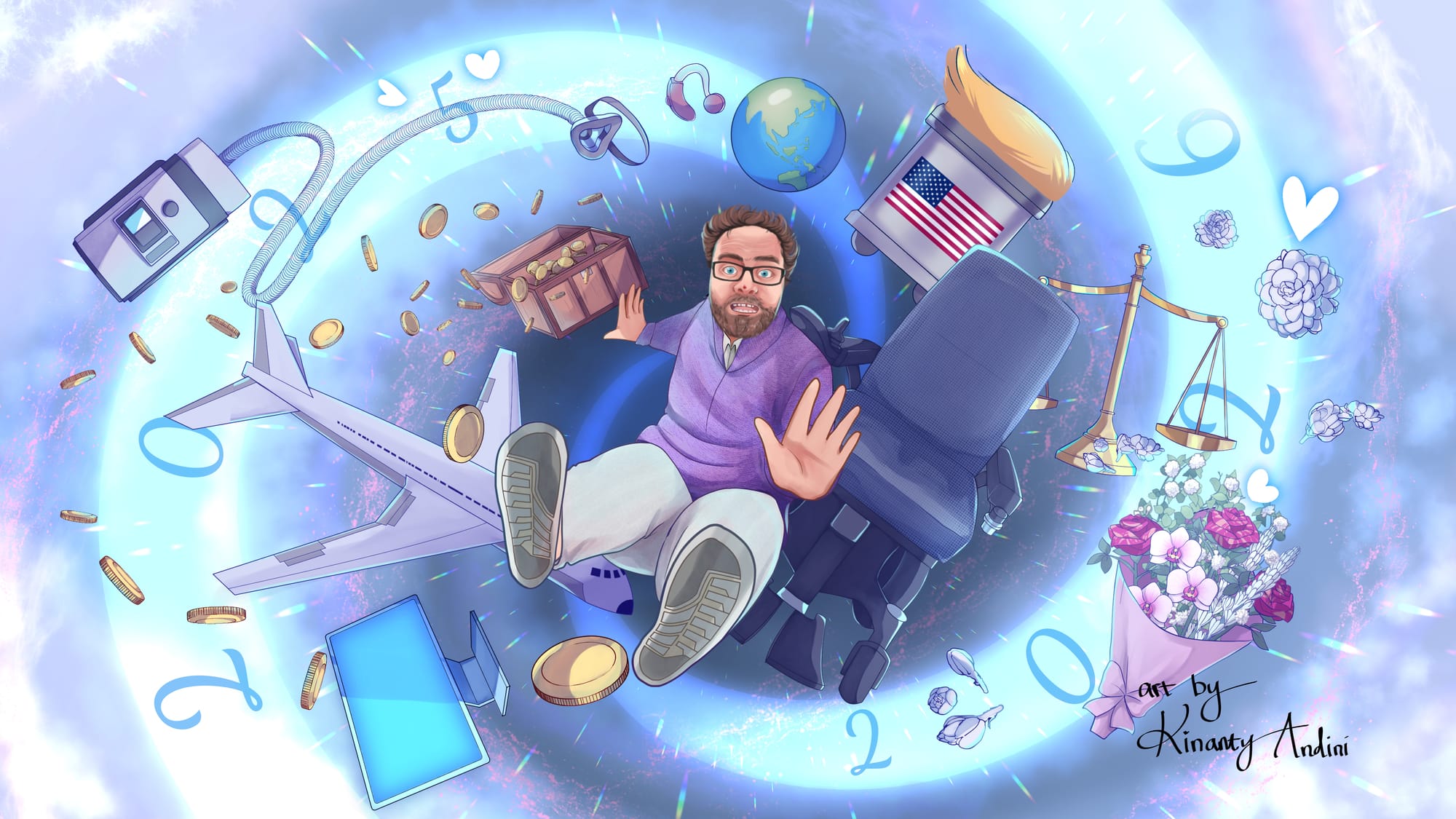
I took a disabled look back at 2025, on global shifts as well as my own year. Adrienne responded:
“Thank you for this wrap-up. Your writing, your thoughts and Kinanty Andini's drawings allowed me to review the horrors without sinking into the morass.
“I really appreciate that you included your personal stuff. Back in the day, we feminists said, ‘The personal is political’. We meant it but as I've moved more into bureaucratic spaces I say less and less about my own life. And, I've been less human as a result. As usual, you are a role model for me.”
The hope we can have
Debrief readers shared their vision of a future where disability rights were real. Tina Minkowitz particularly appreciated maitreya's vision of a Bengaluru recovering amid the ruins:
“Resonates with how we feel in the US right now. The kind of hope we can have when things are being broken.”
Here's to hope,
Peter
Outro
Further reading. There is a back catalogue of Debrief newsletters online, as well as a library of disability news from 170+ countries.
Let your friends know. Sharing the newsletter is how people find it!
For more from Kinanty, see her website.
Connect. Get in touch. You can find me on Linkedin and Bluesky.
Help us do more. The Debrief is free thanks to reader support.
Acknowledgements
Thanks to Kinanty Andini for the cute cover illustration. And to Kinanty, Rachel Litchman, and Athenkosi Kwinana for other illustrations. Mad Pride photo by Louise Canguilhem/Hans Lucas/AFP via Getty Images..
Thanks to Celestine Fraser for help processing survey responses and review of previous drafts. And thanks to all of you Debriefers for being in touch!
And as always thanks to the readers and organisations whose support makes this project possible.